I vividly remember my first days in the Bijagos territory. I had travelled 25 km on the island, an environment I didn’t know before. Arriving at the village, I was greeted by a crowd of young people curious about this new guest. The following days were the most beautiful with the discovery in the early morning of a hardworking and well-organised population, where everyone has a well-defined role in society. Like any reporter in Africa, I together with my mentor Touré Mandemory, distributed medicines to those in need that still live in ancestral conditions.
I remember my first days in the Bijagos archipelago in 2023 very well. I had traveled 25 km across the island, an environment I had never seen before. When I arrived in the village, I was greeted by a crowd of young people curious to meet this new guest. The following days were the most beautiful, with the discovery, early in the morning, of a hard-working and well-organized population, where everyone has a well-defined role in society. Like any reporter in Africa, I distributed medicine, with my mentor Touré Mandemory, to those who needed it and who still live in ancestral conditions. I also noticed the children’s curiosity about the tools we had, computers, cameras, social networks in a village without electricity.
I often followed them when they went to school. les recherches que jai fait sur la responsabilite de la reine et du Roi font que je souhaite retourner dans ce village pour un documentaire de recherche ,
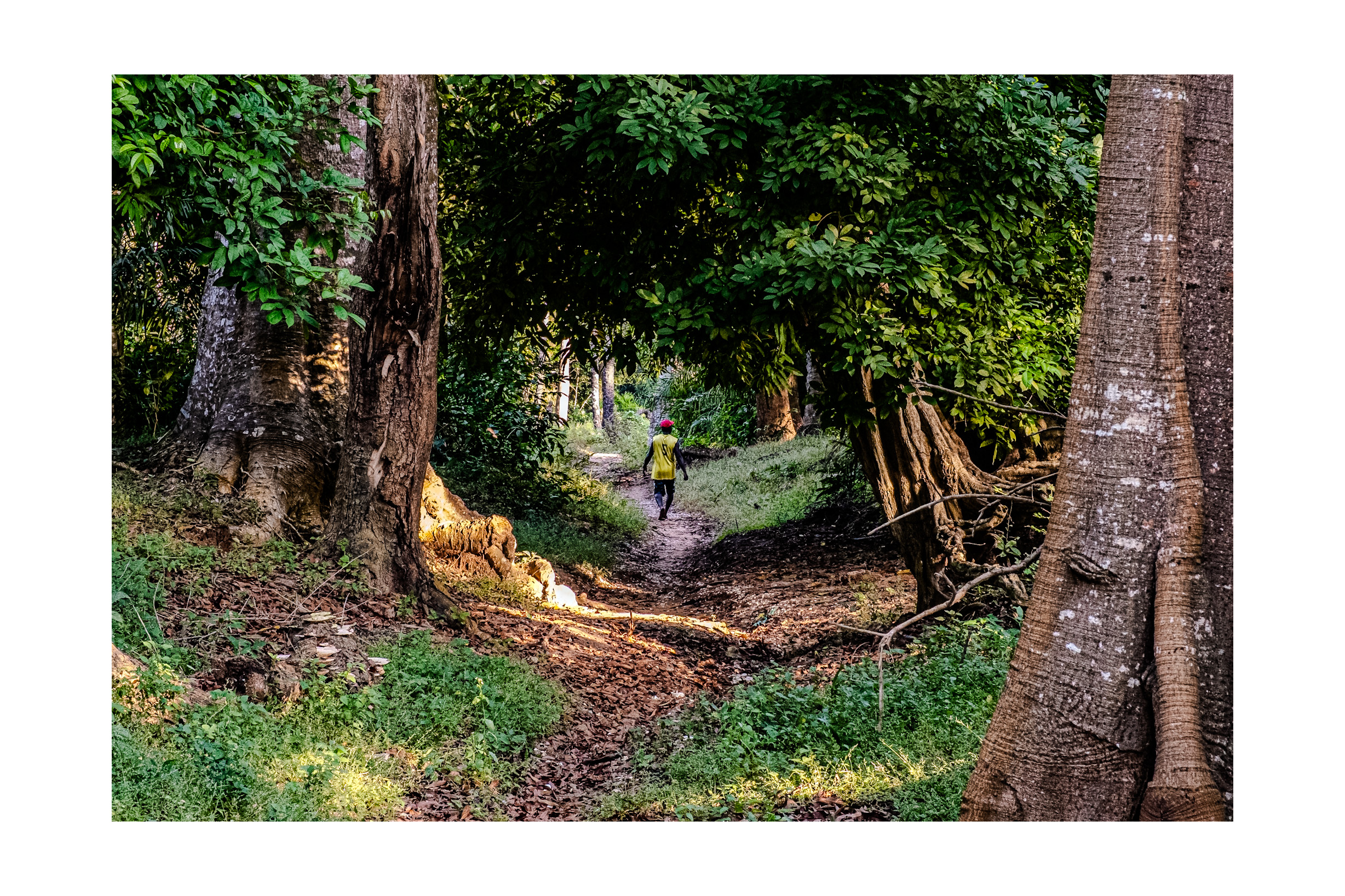
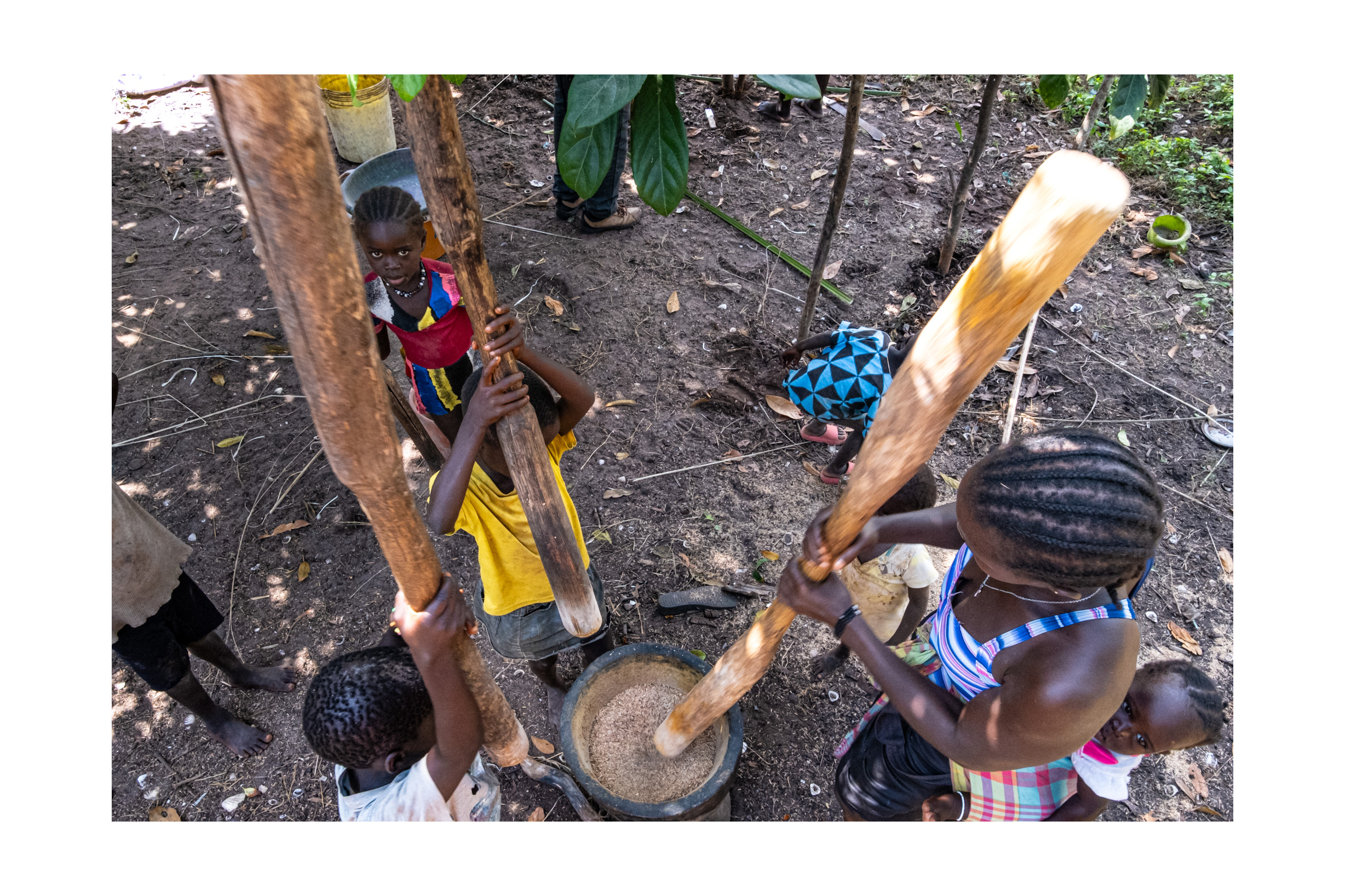
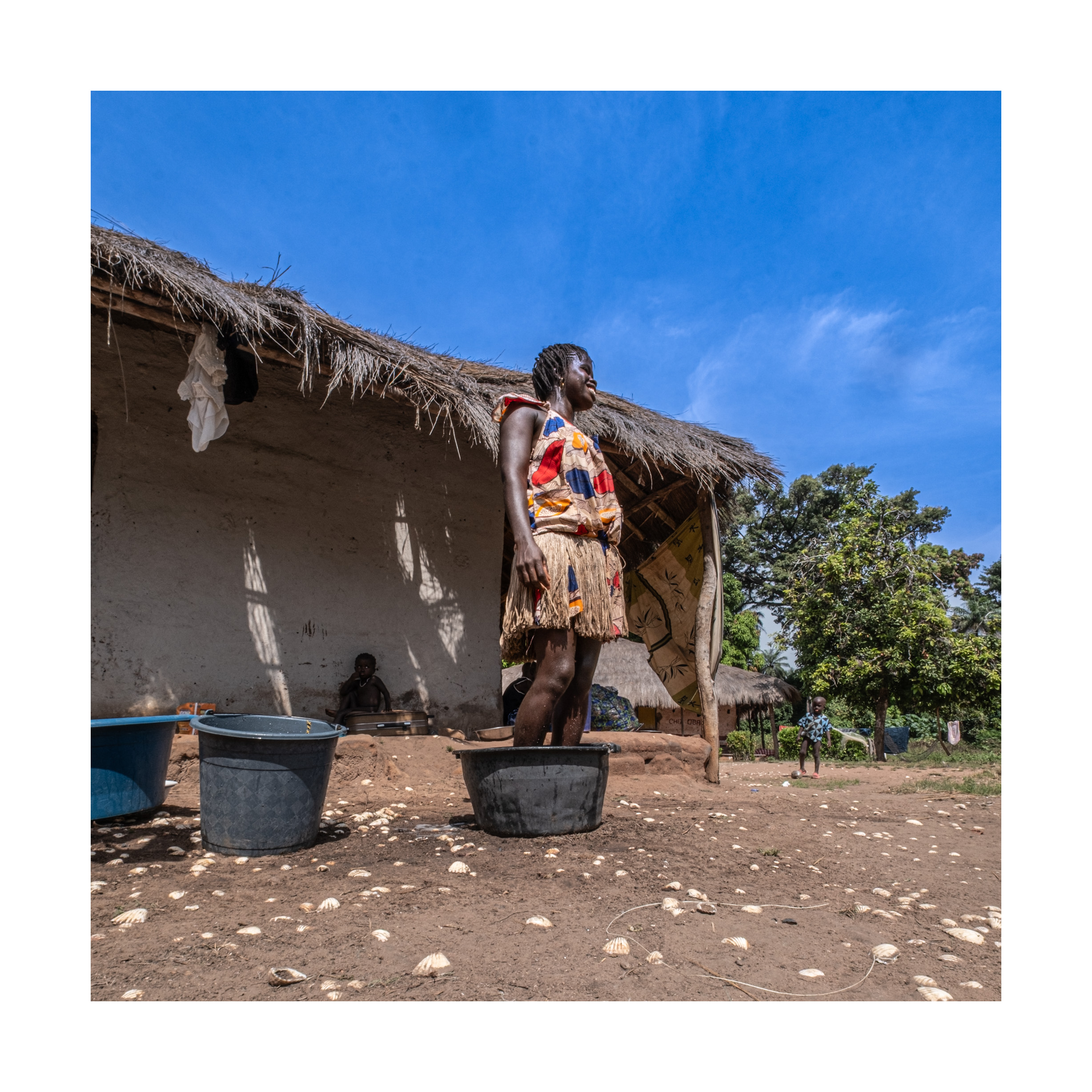

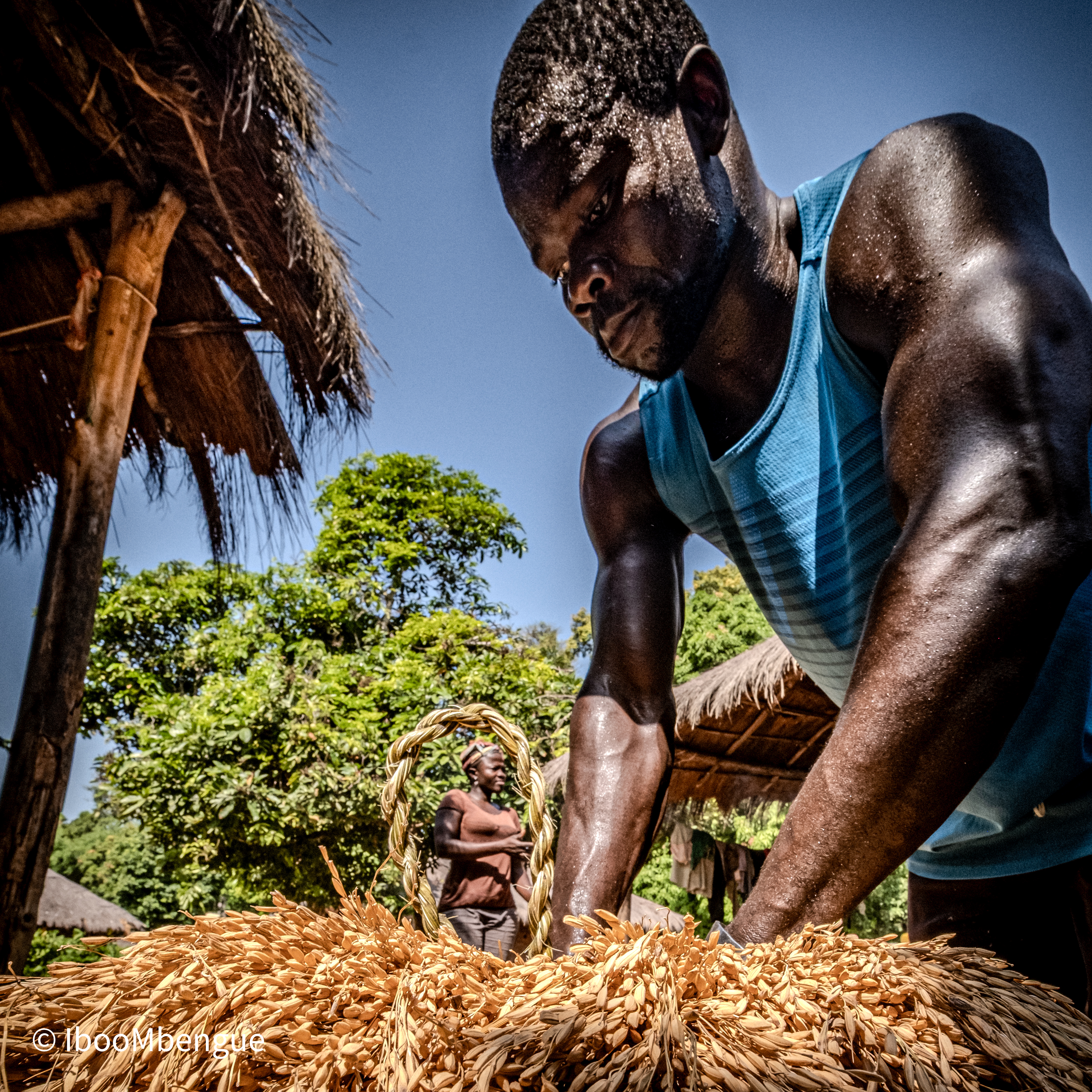
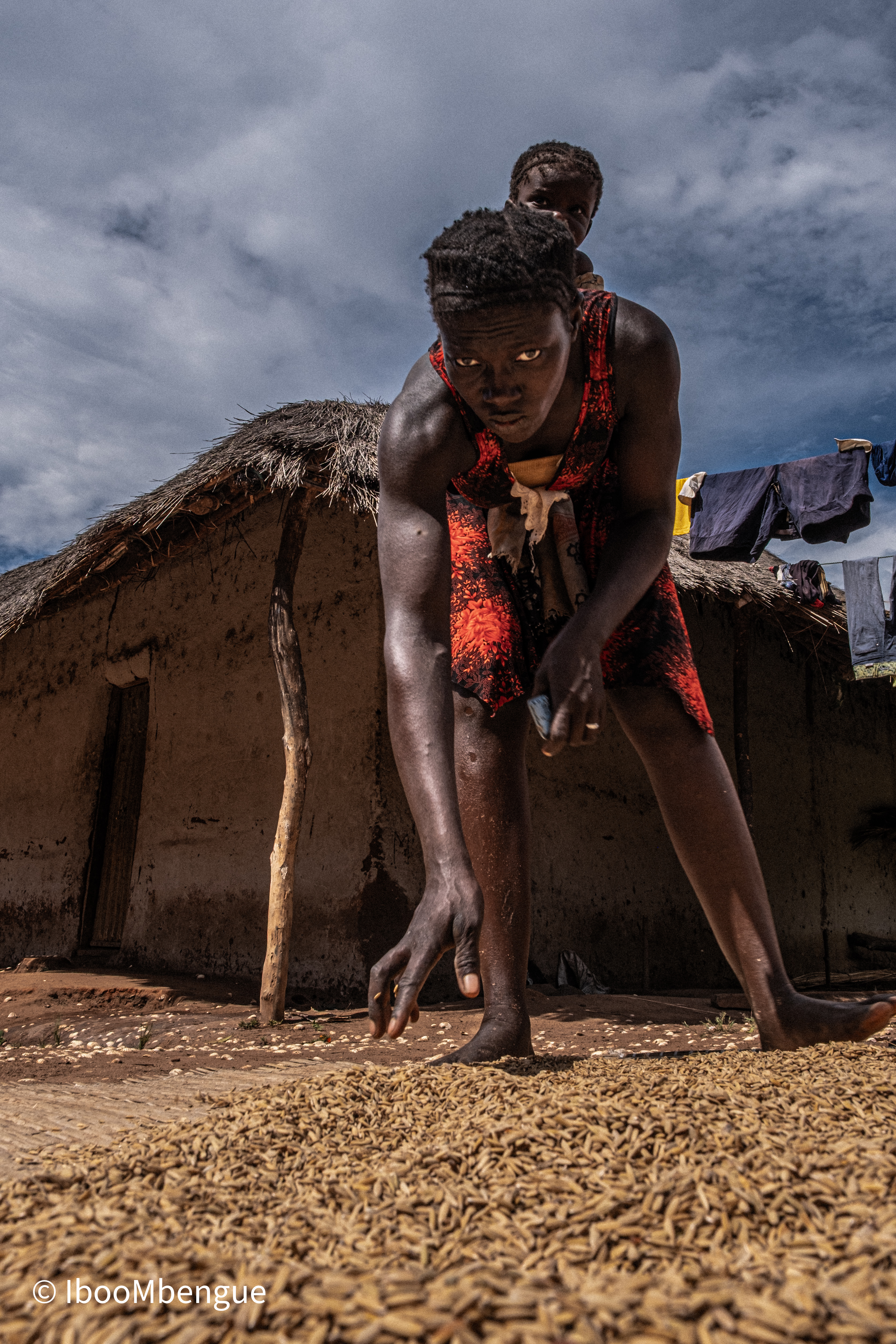
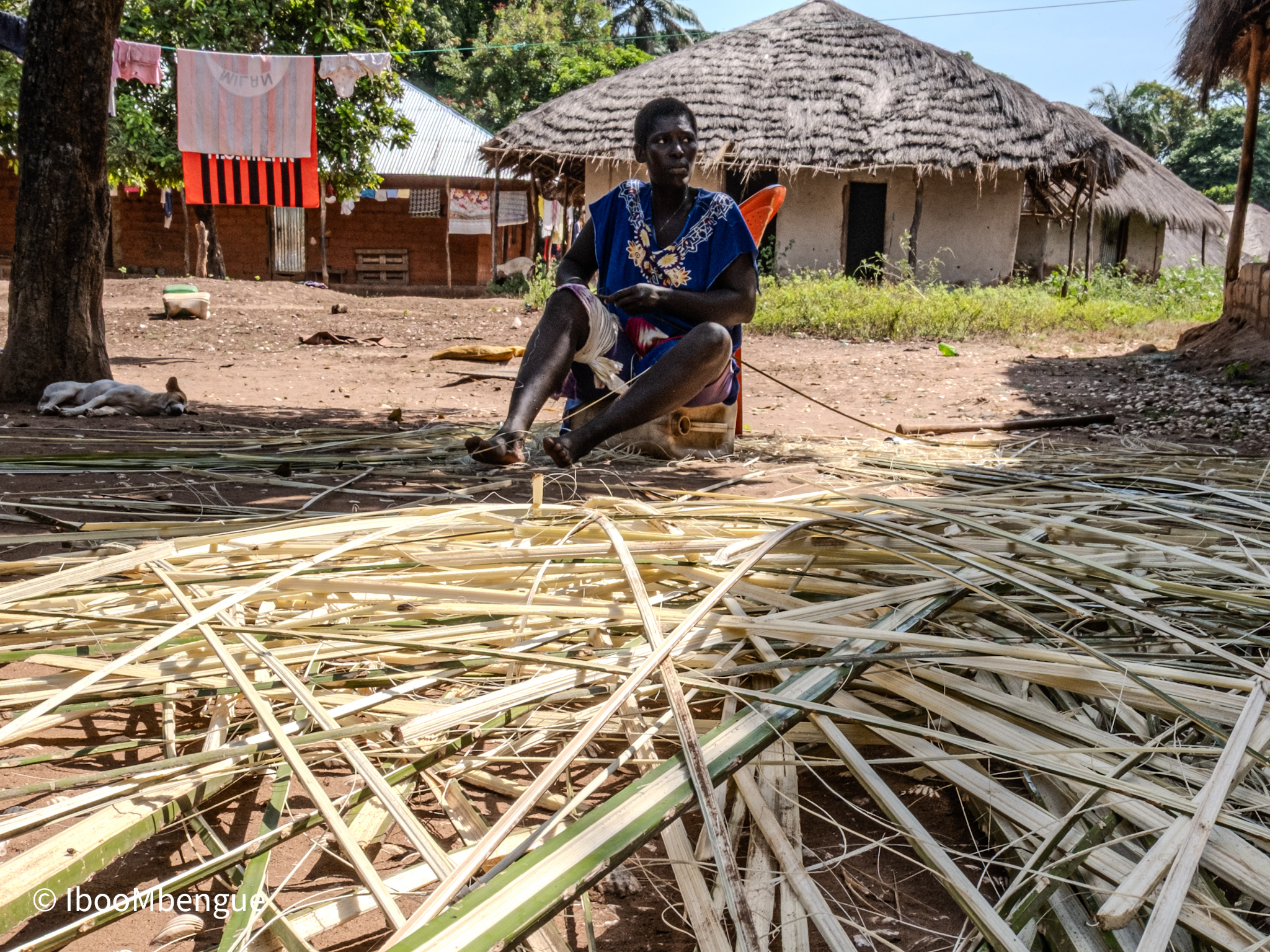
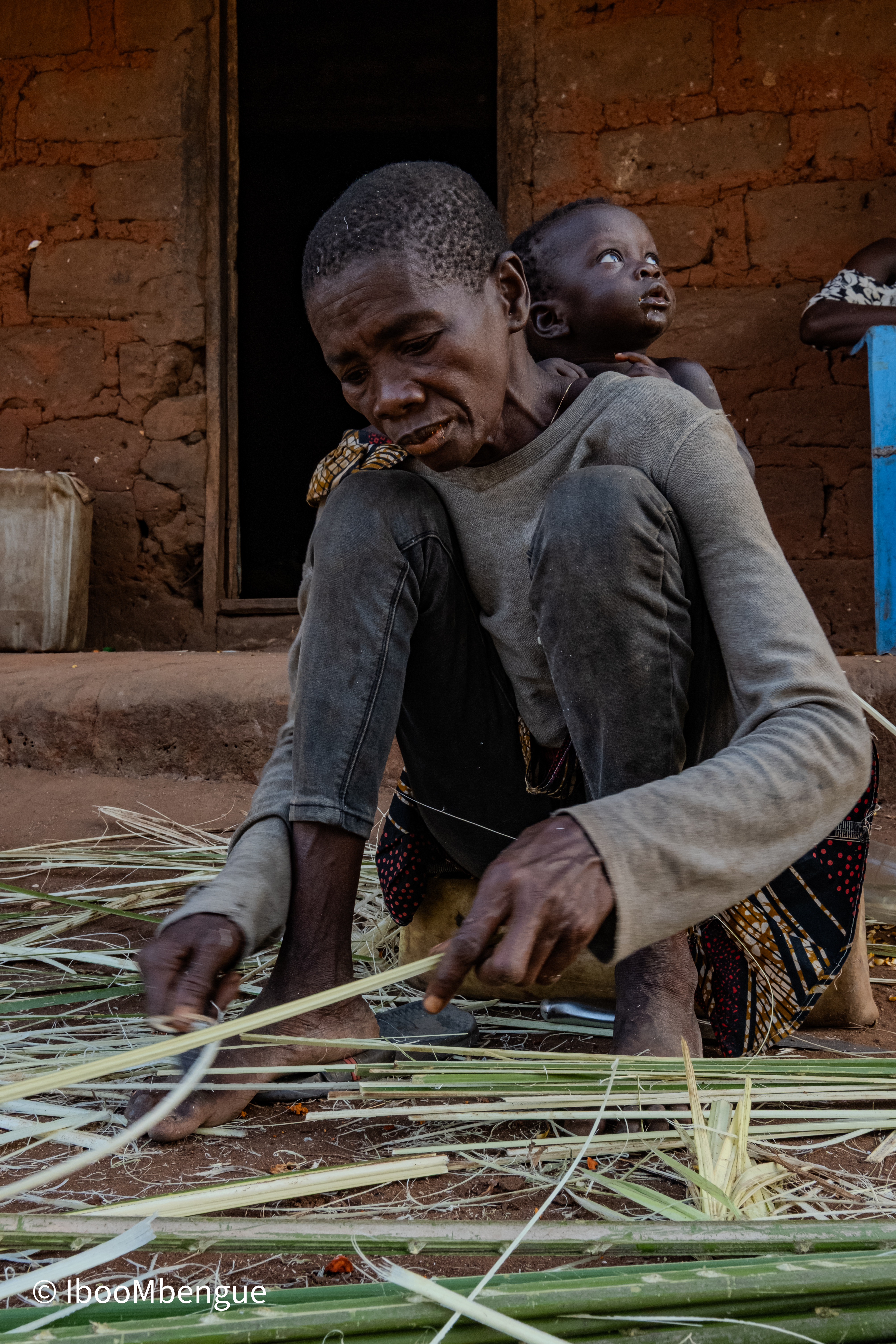

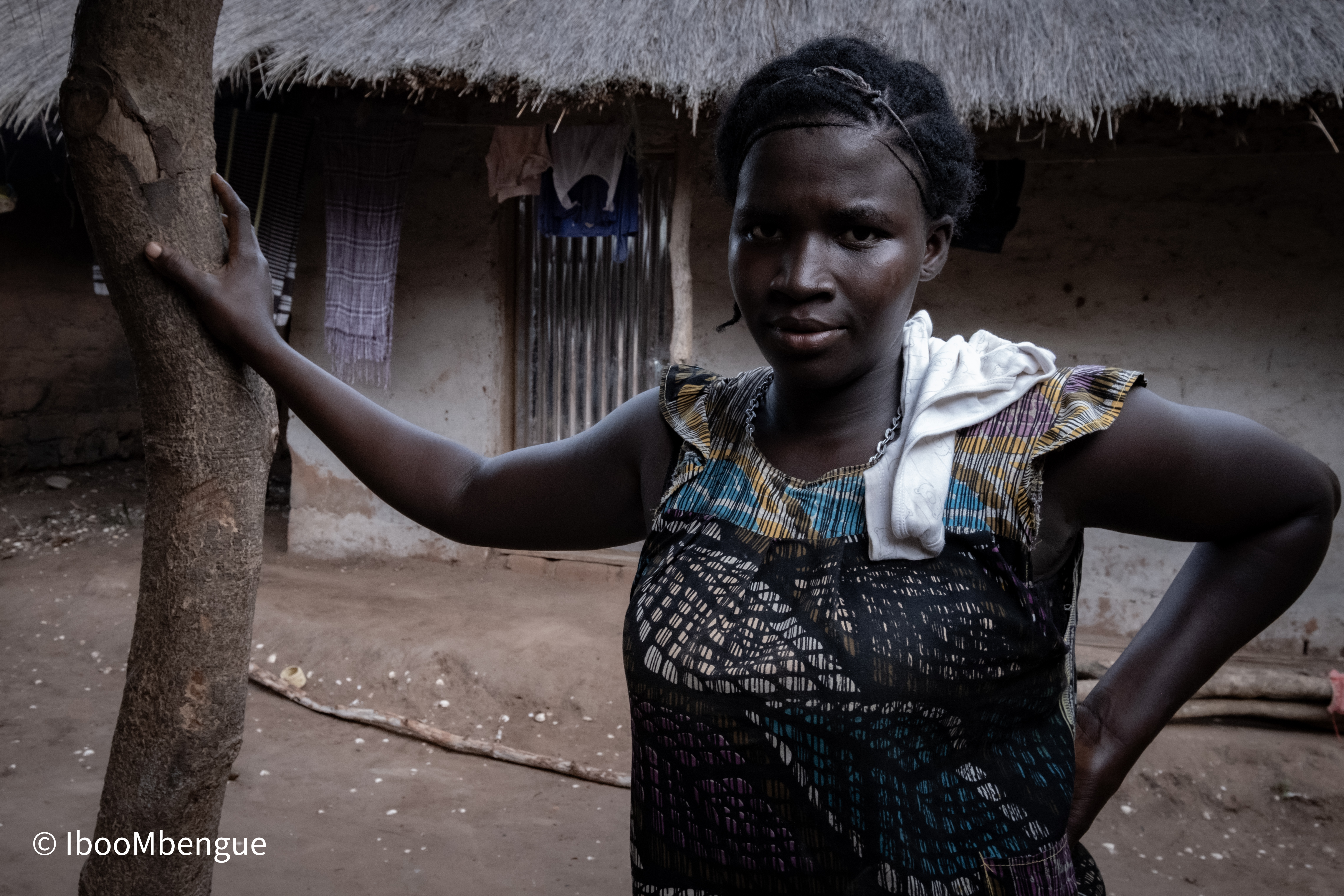
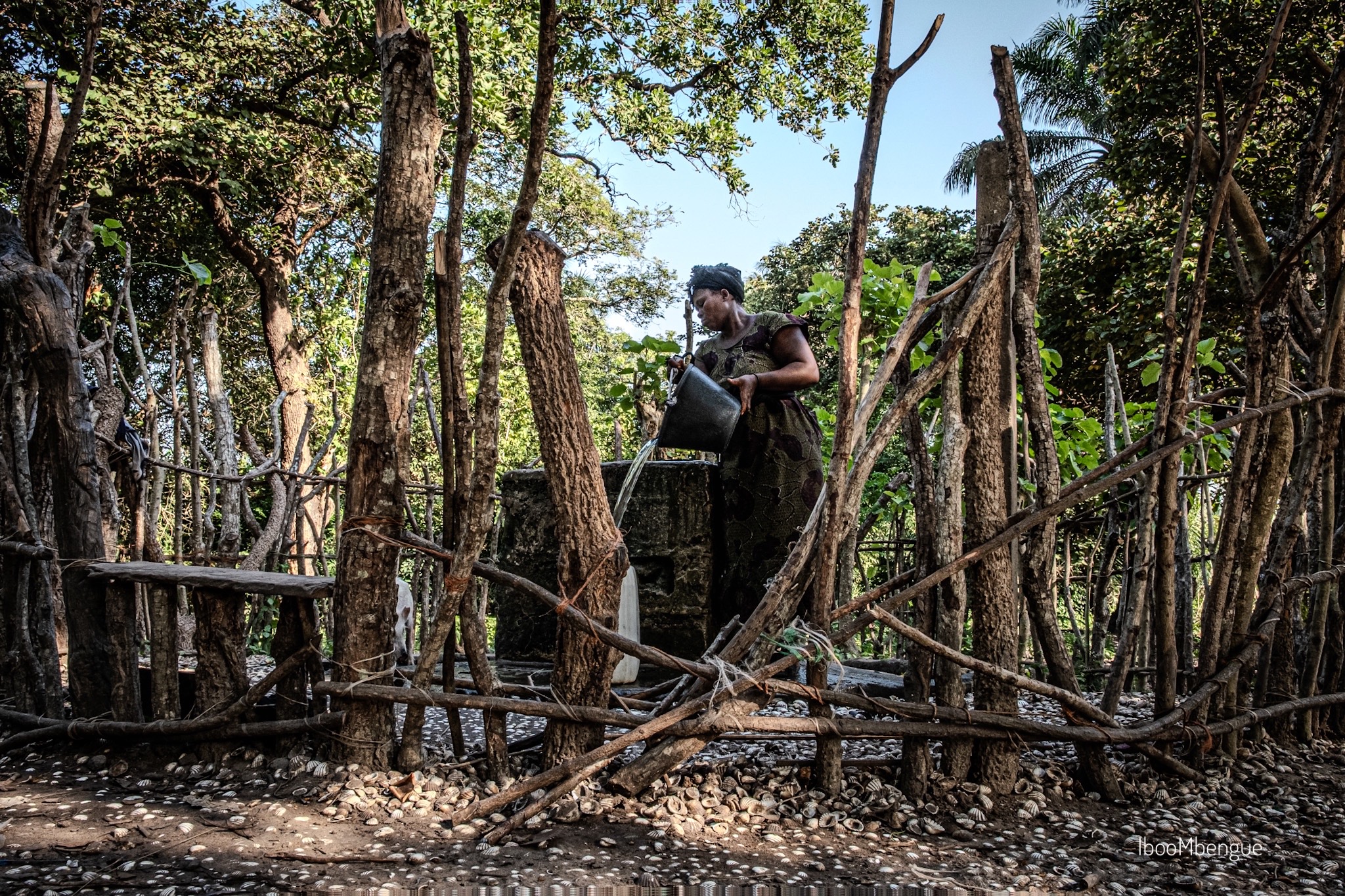


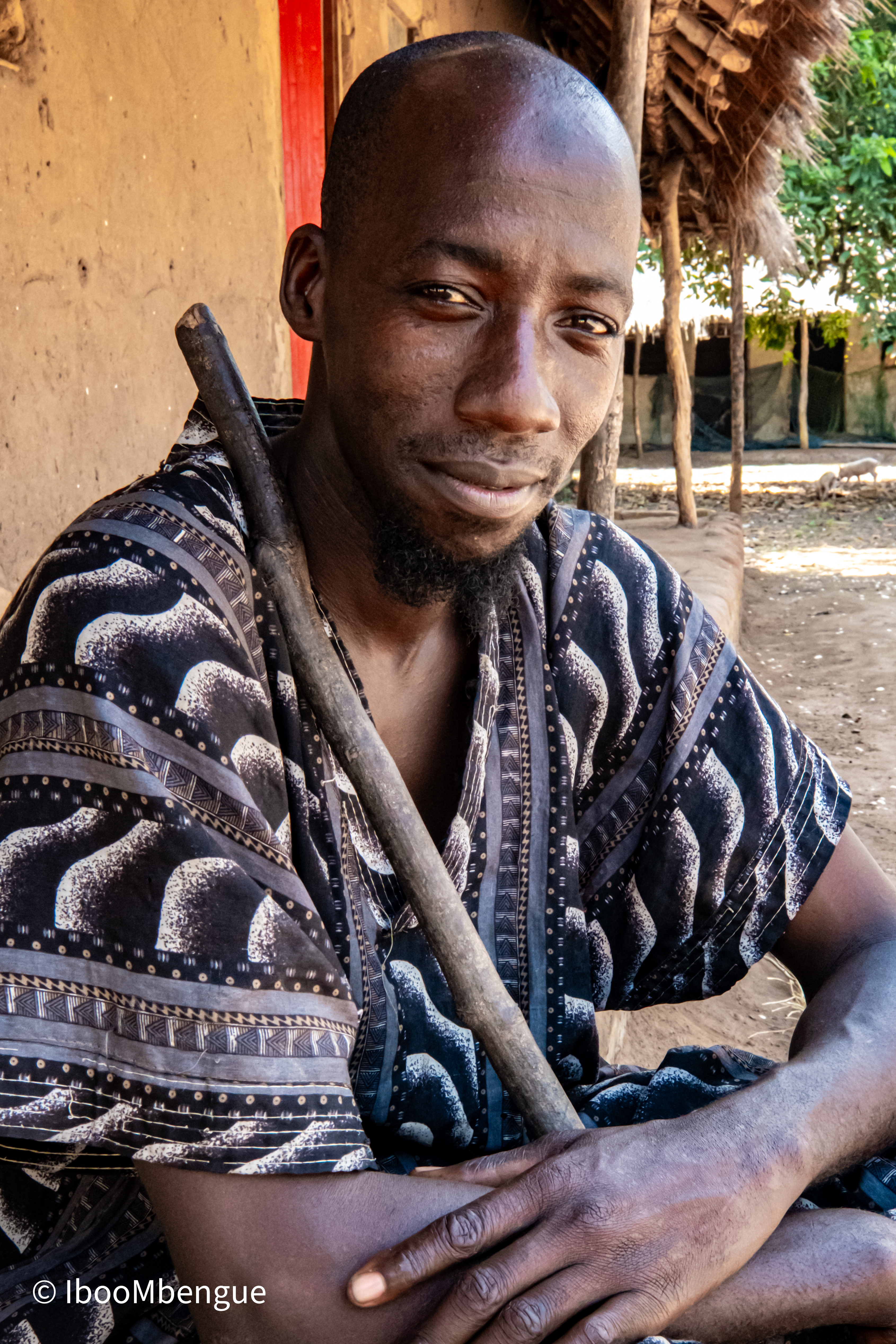
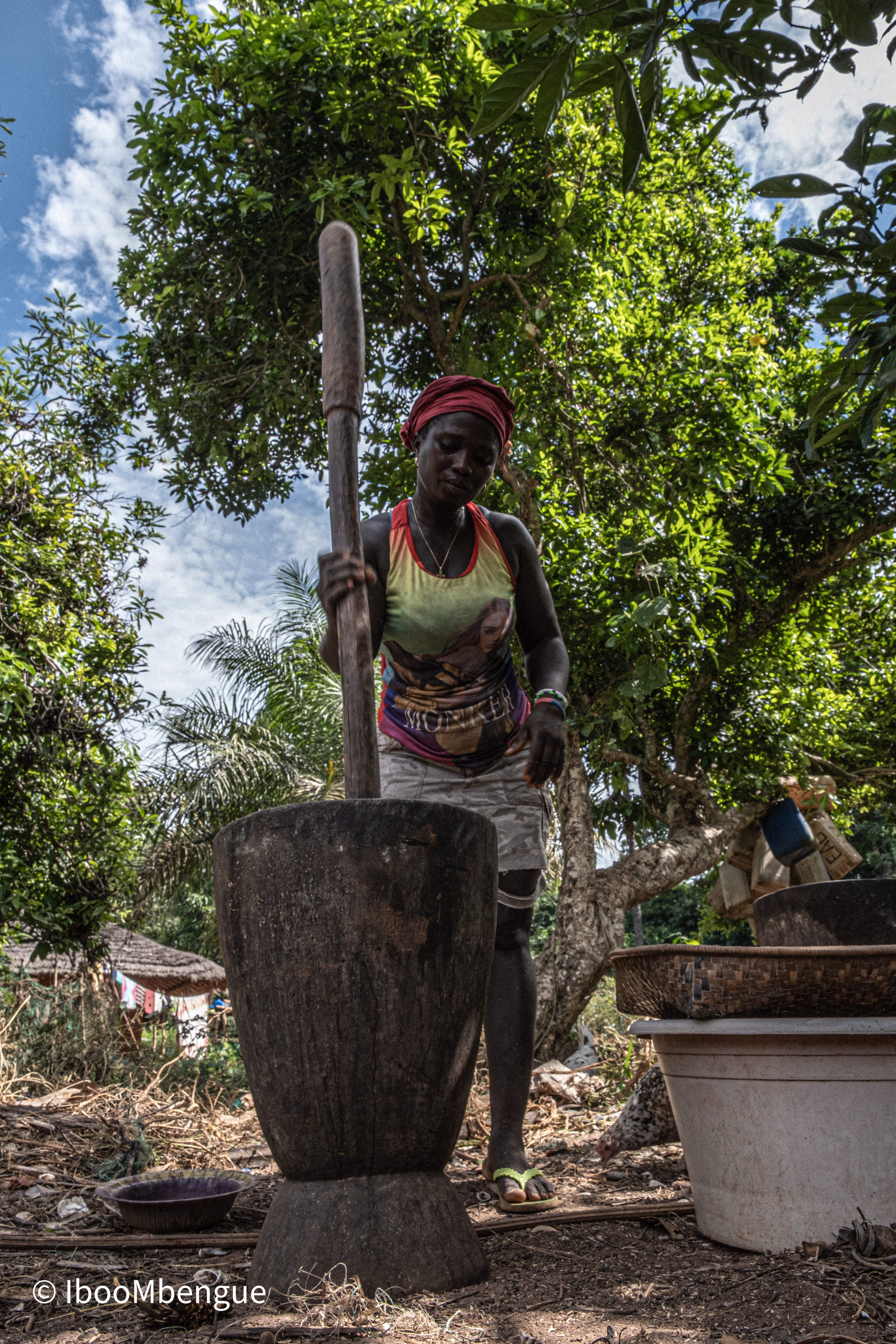
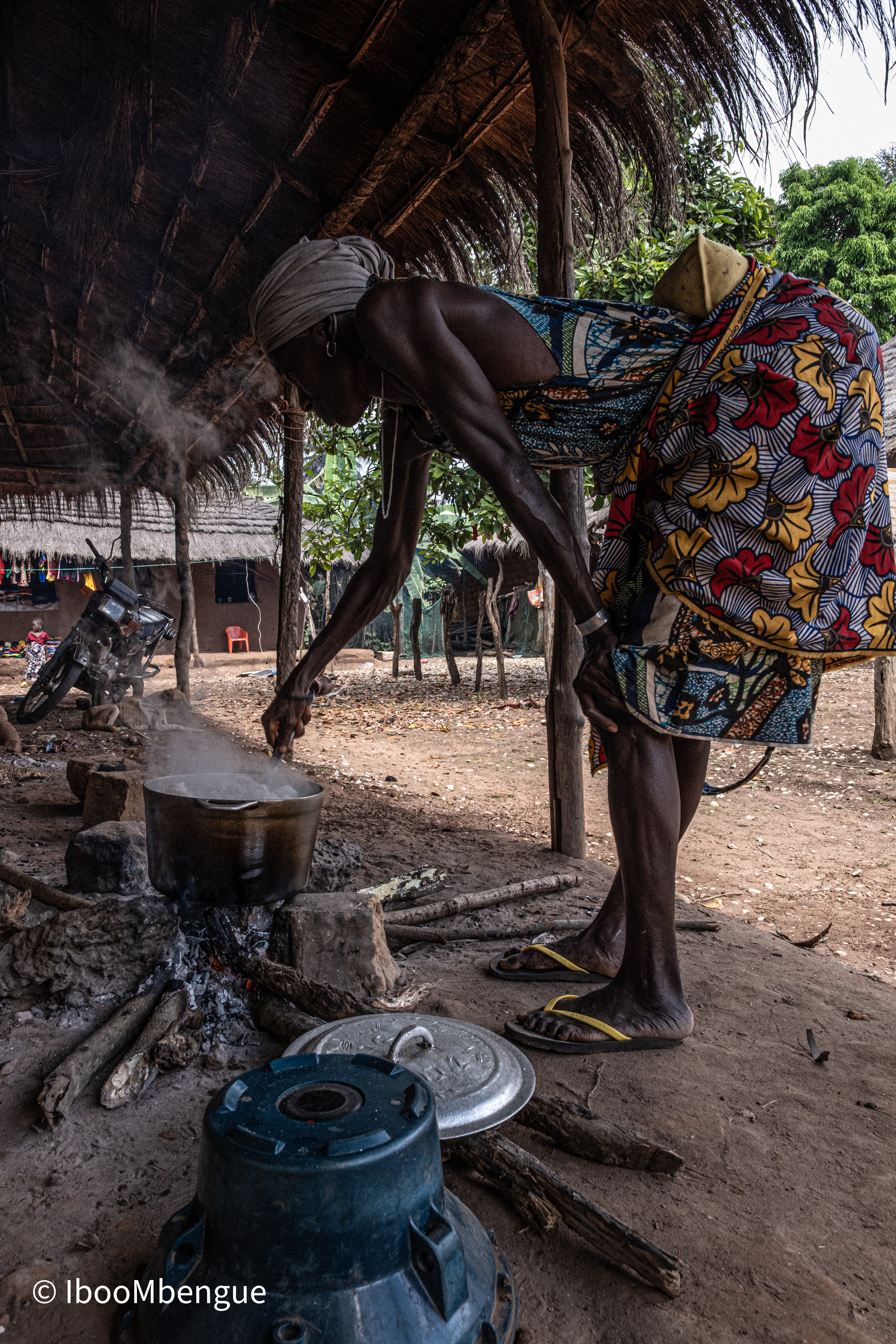
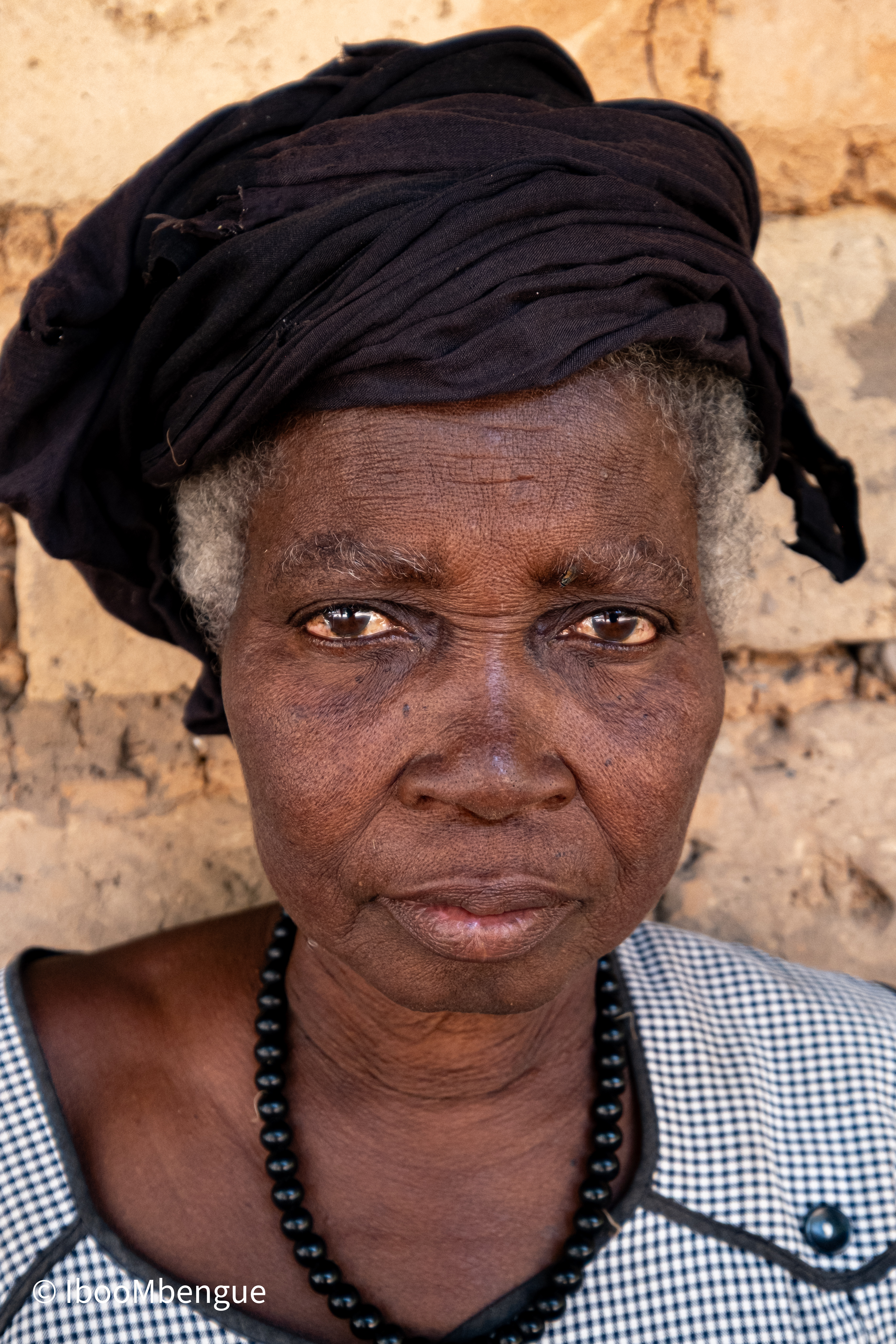
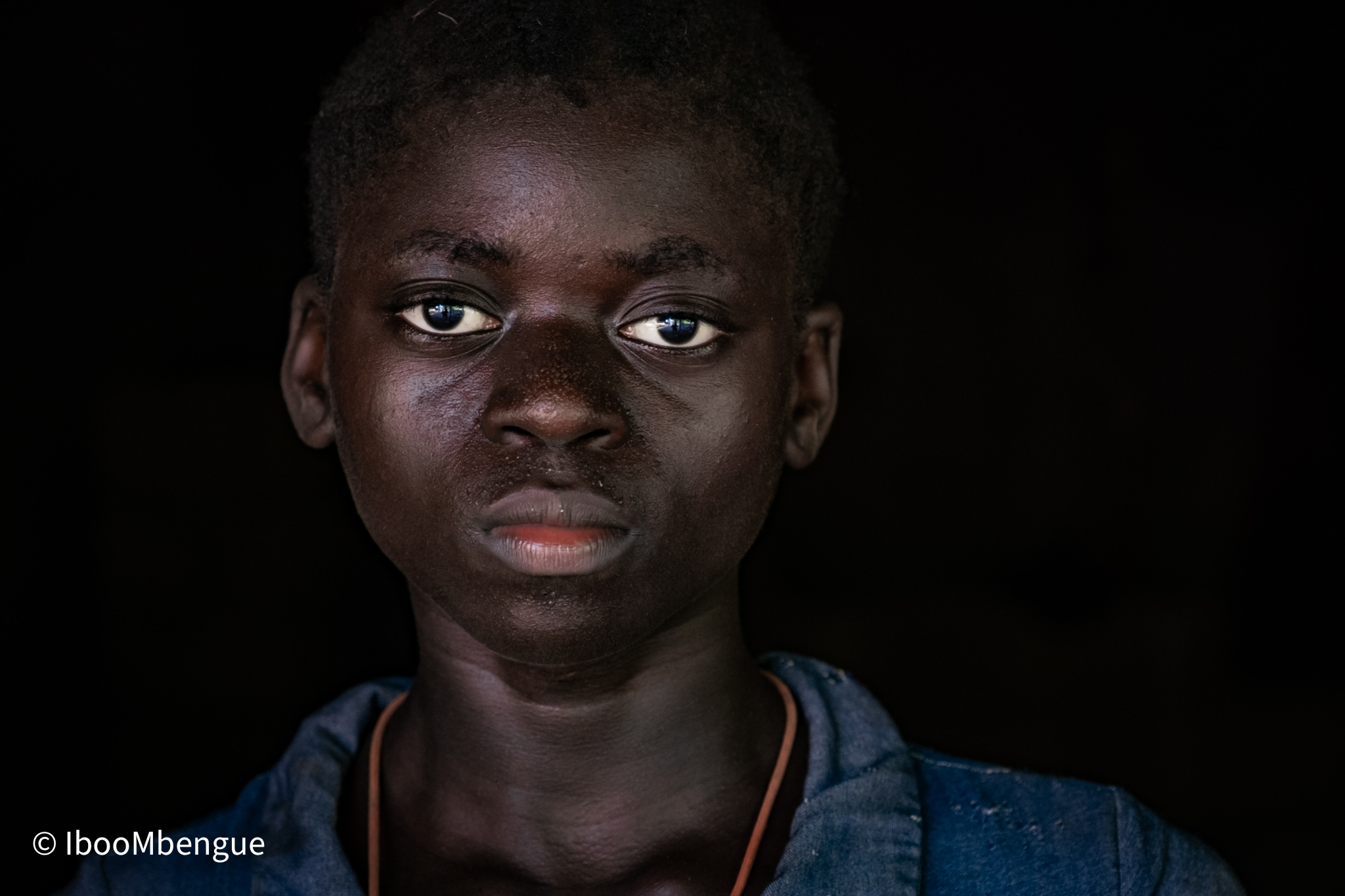
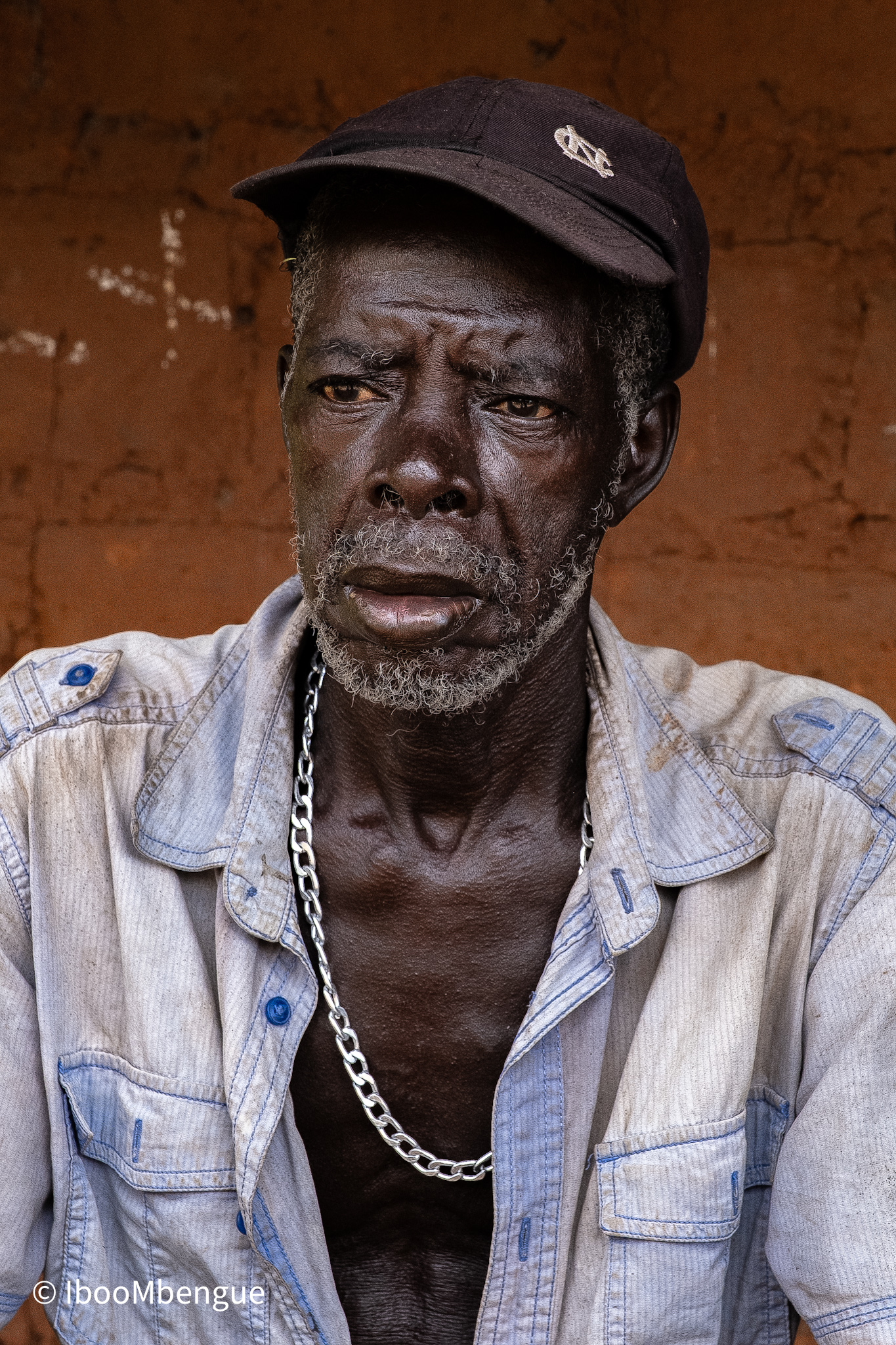
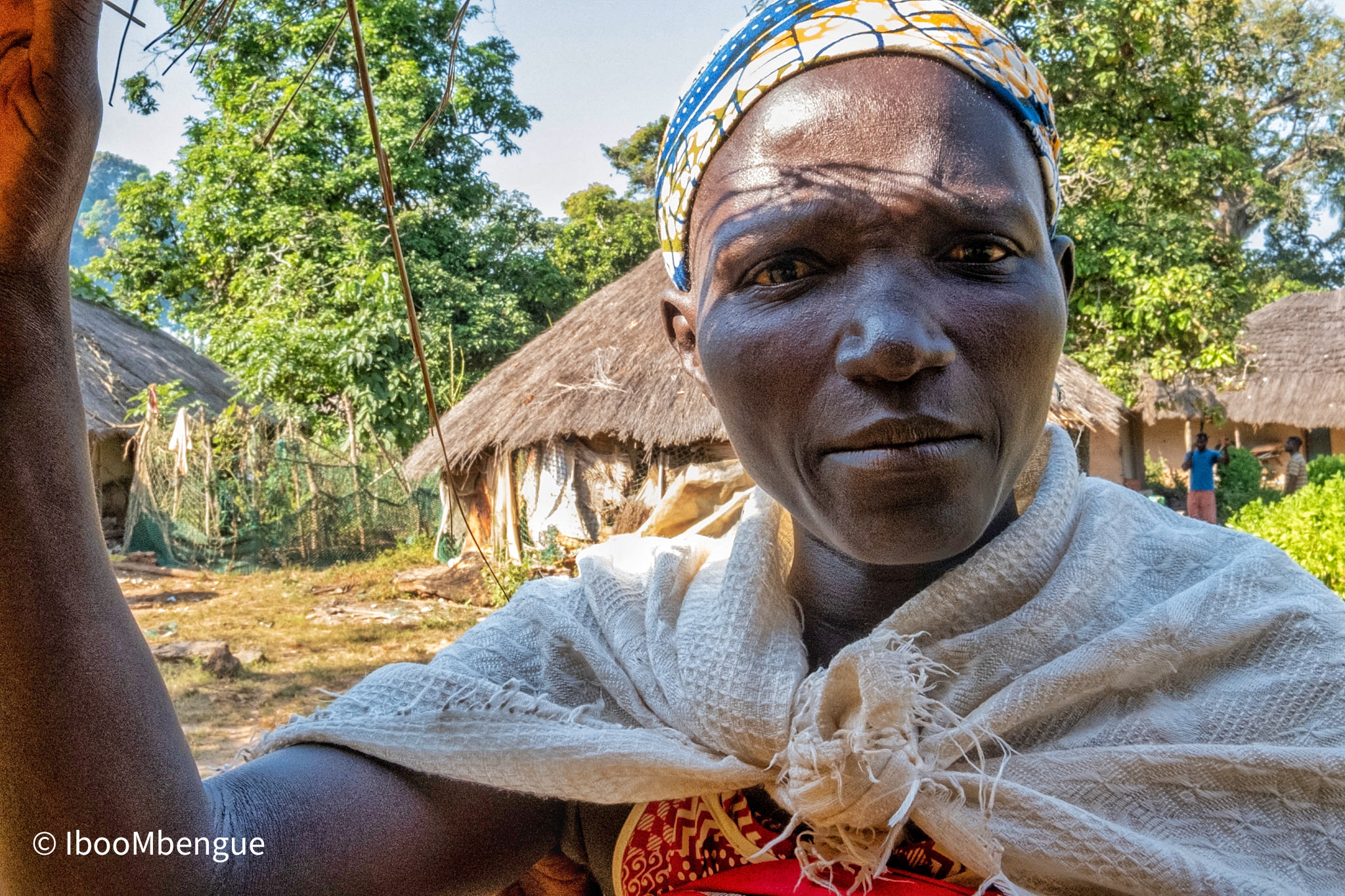
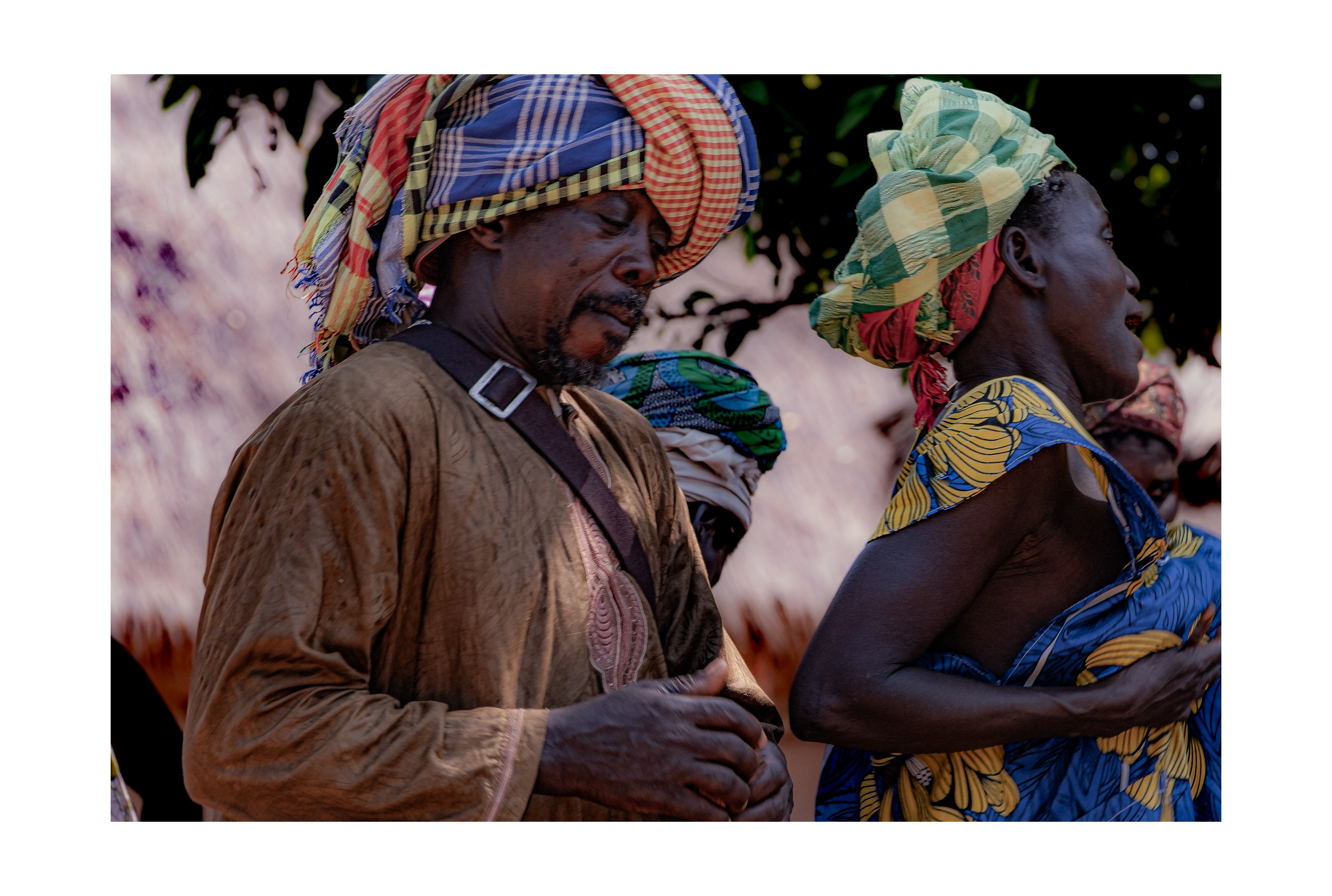
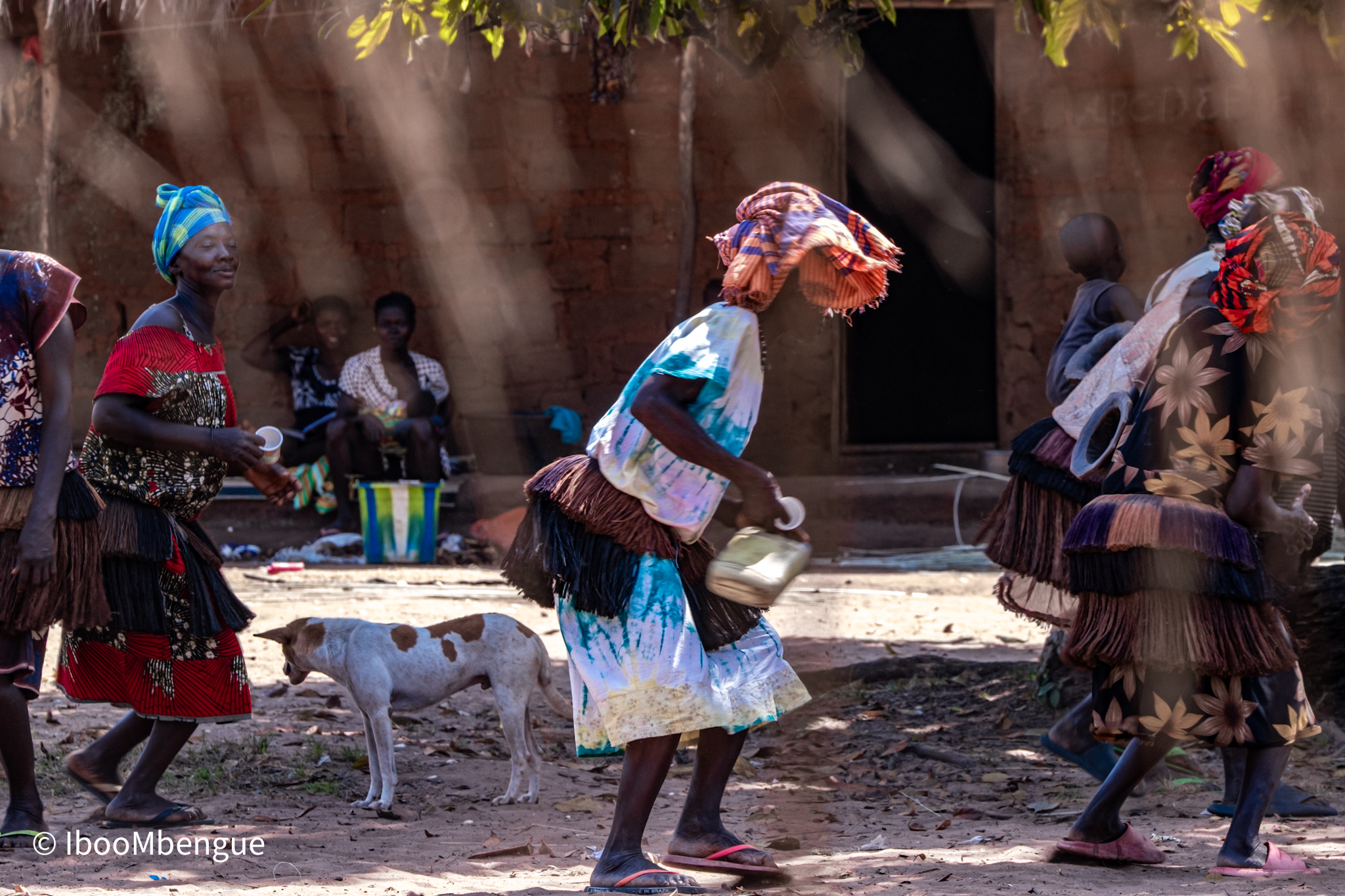
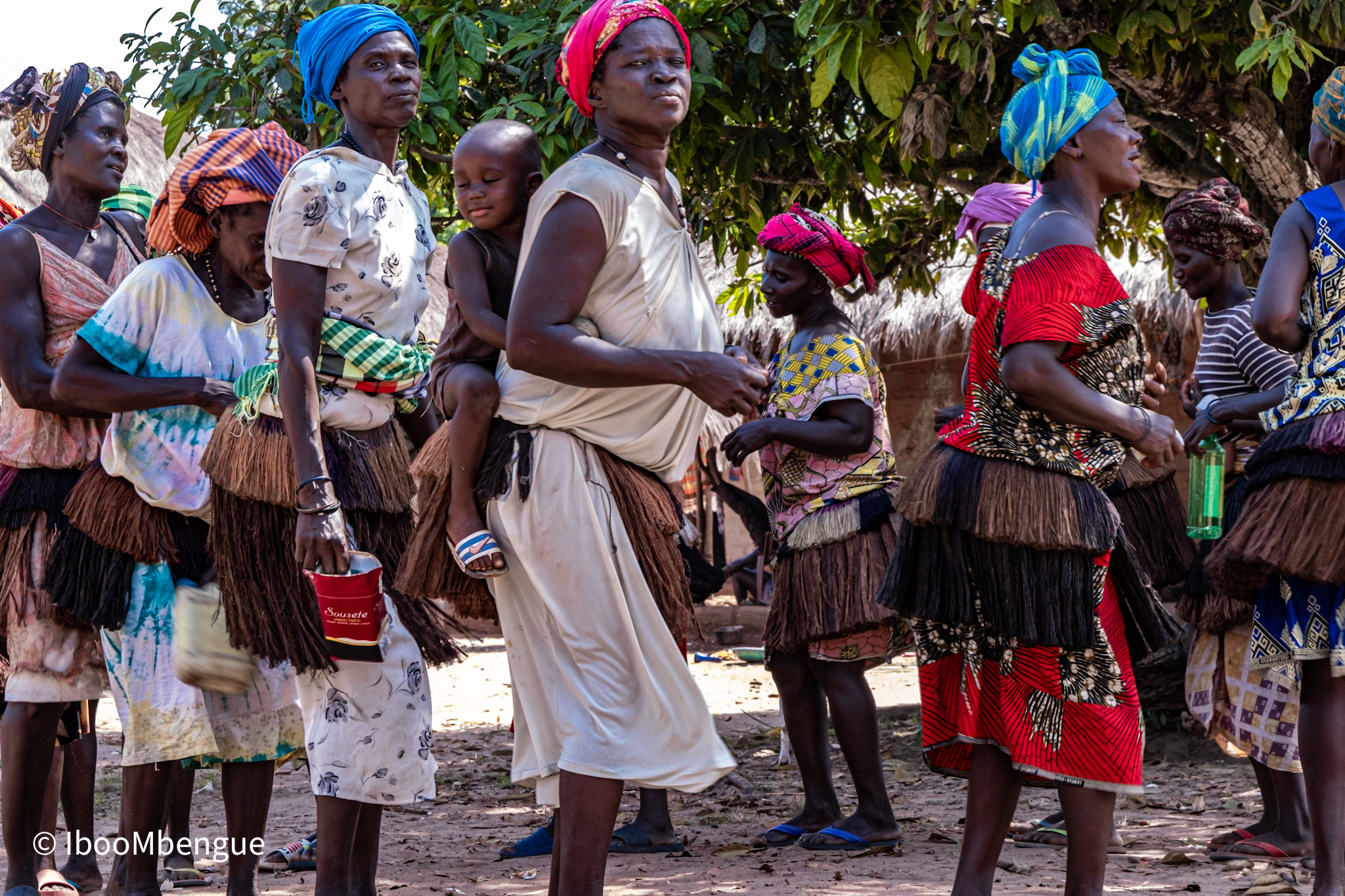
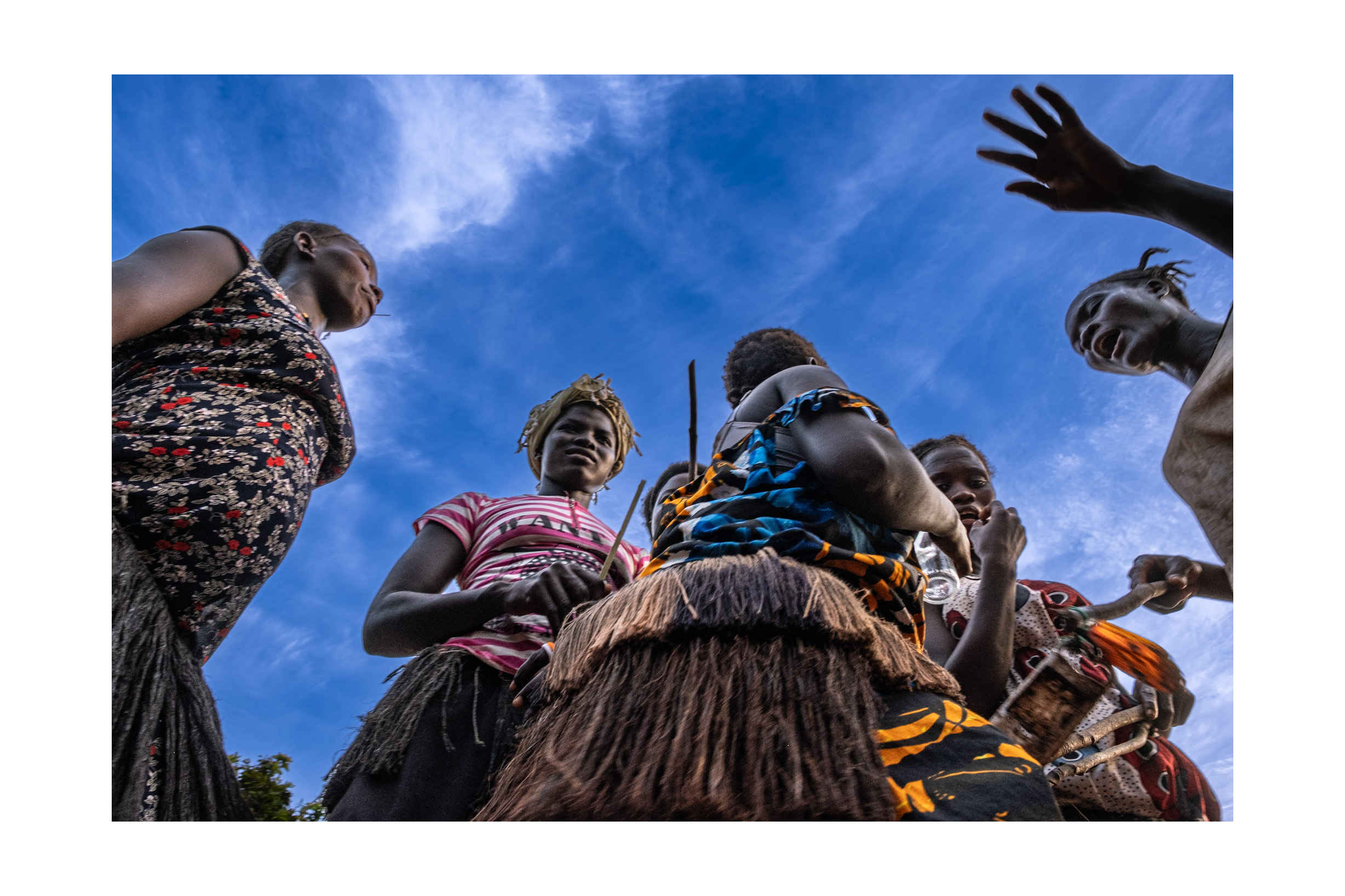
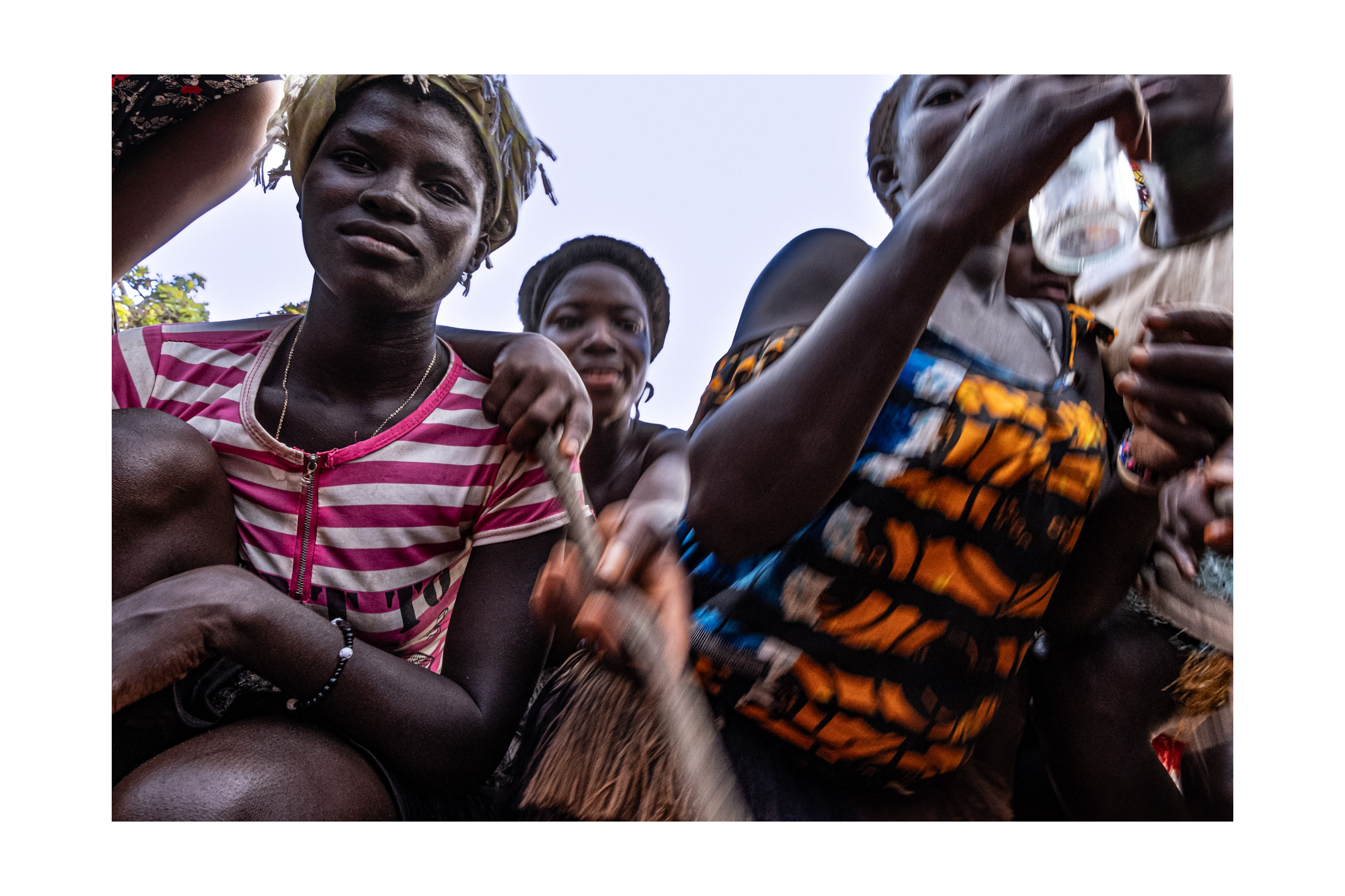

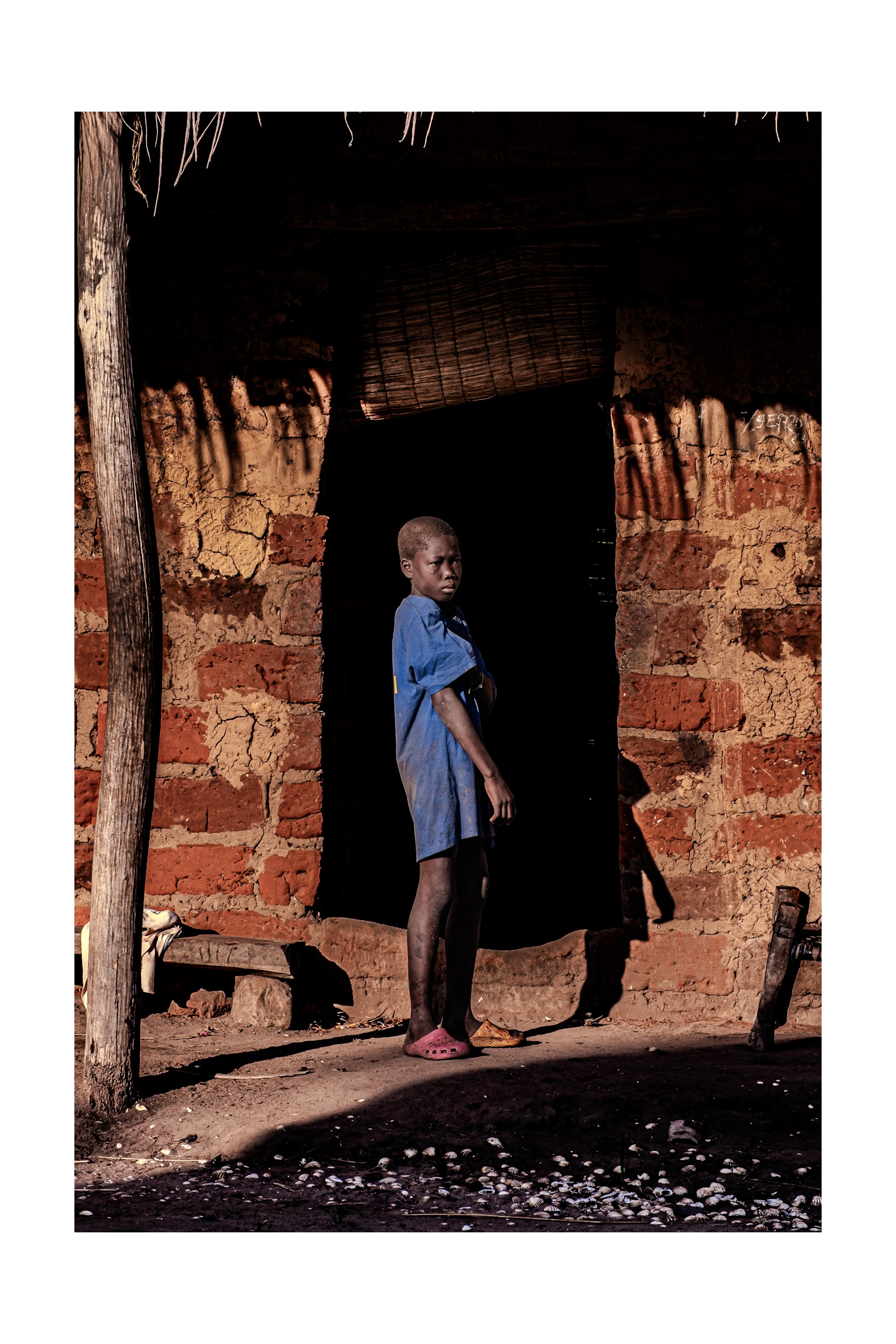
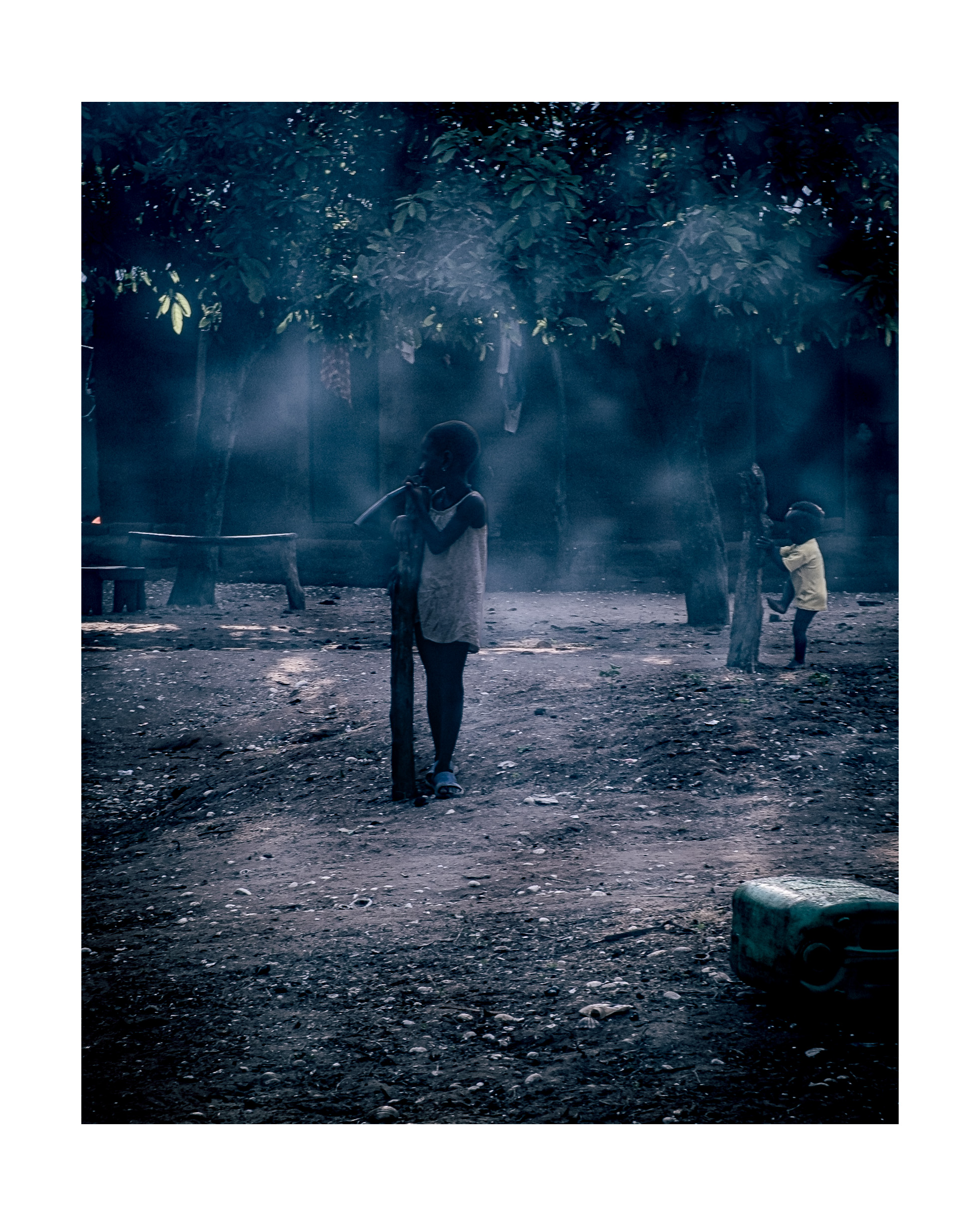


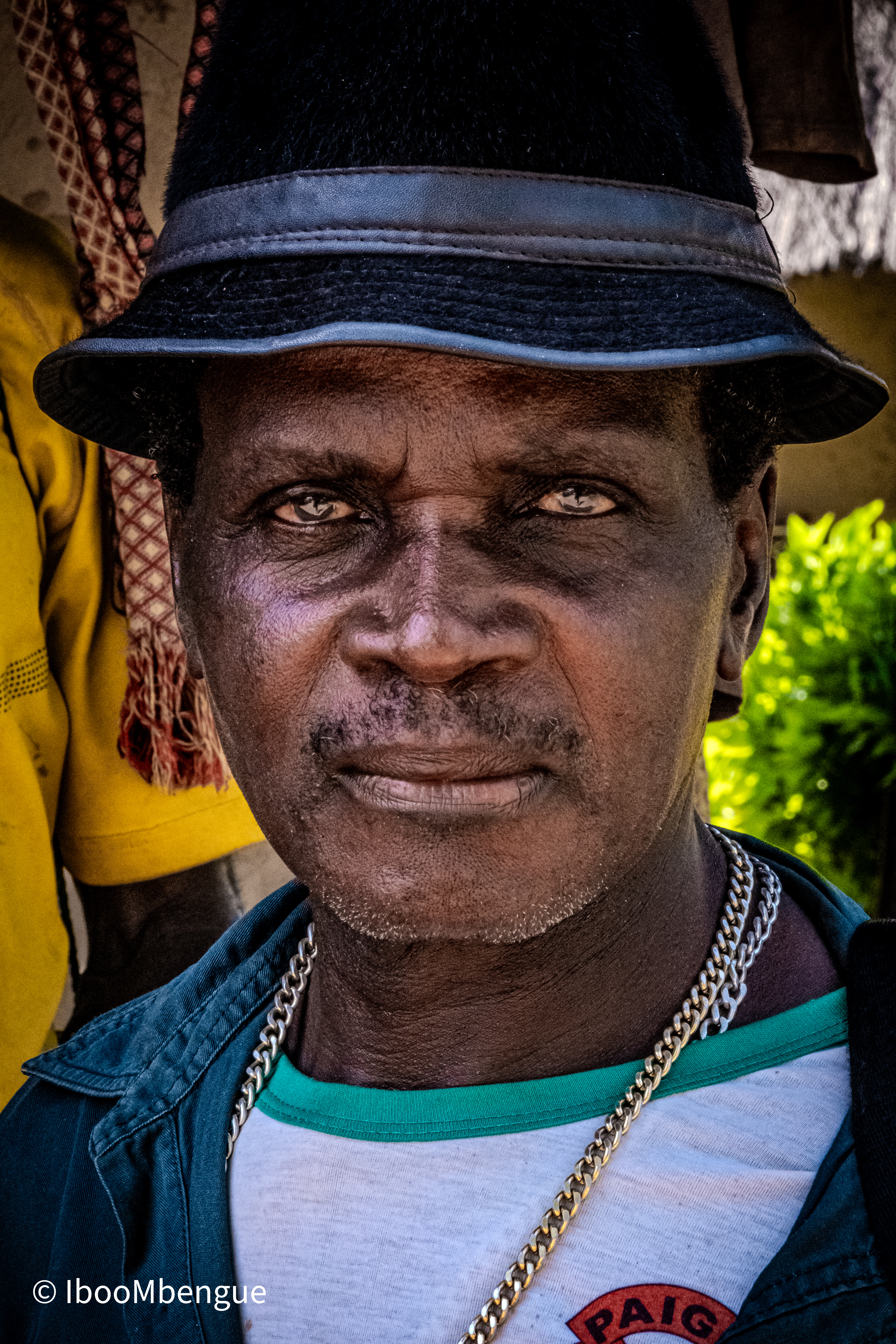
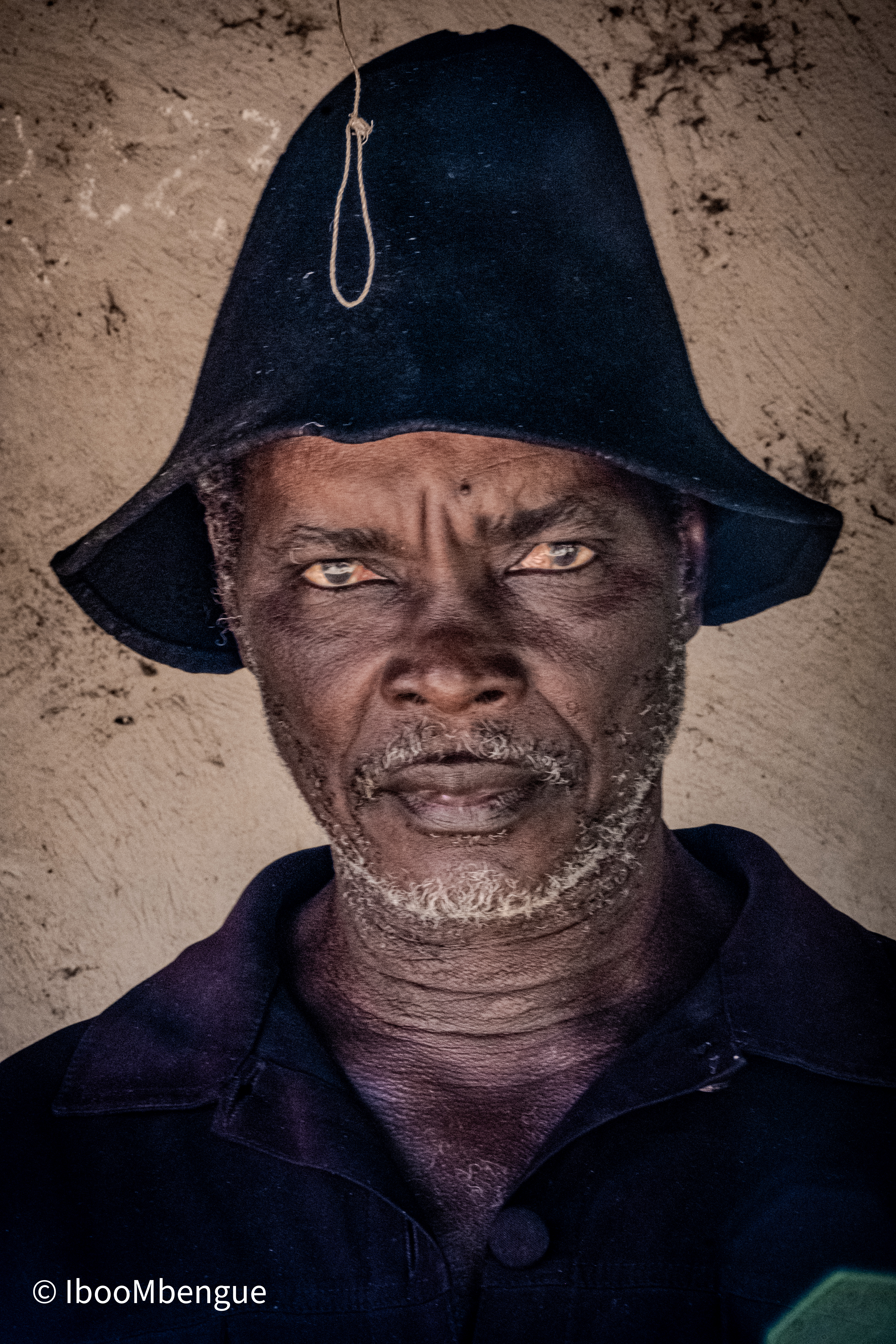
In the mornings of good hours we were going to take pictures of the first hours of the inhabitants at work.
According to computer scientists, the Bijagos form a society of matriarchal domination. After more information we found that men had their specific roles and women took care of children. Since most have remained Animists, ancient practises are still preserved.
This is an ongoing project for an anthropological documentary to better understand this population so close to my country and so unknown.
